
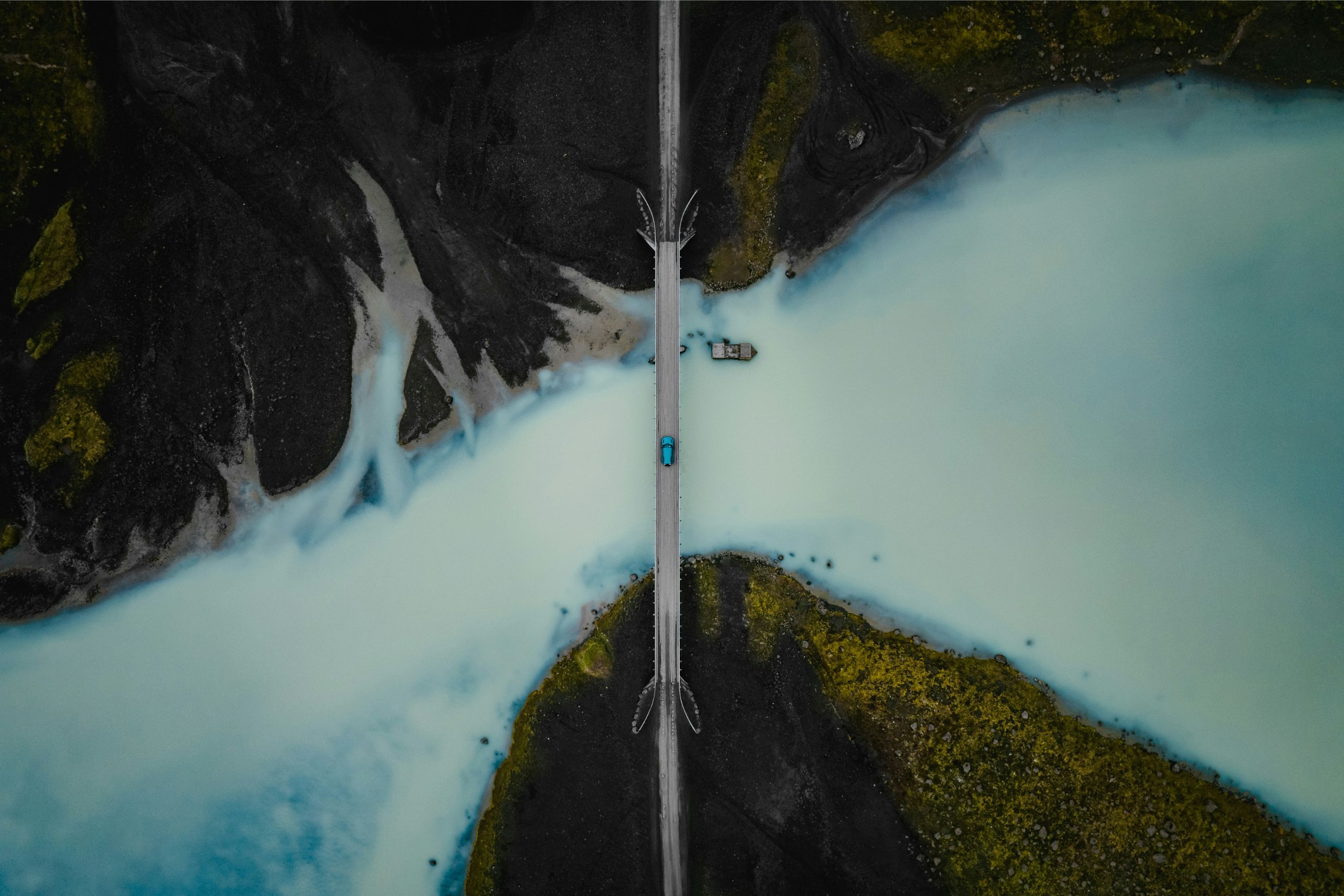

The rugged Iceland Highlands are often referred to as otherworldly and mostly untouched due to its remote uninhabited location. Given that this region is only open for a small window each year, planning extensively is paramount.
The isolation and remoteness of these lands make it feel like you’re on another planet and you’ll often find parts of it all to yourself even during the peak season.
Be sure to also check out our other Icelandic guides for the Capital, South, West, North and East of Iceland.
Let’s have a look at the best places that should not be missed on your itinerary to Iceland Highlands!
Best Time to Visit Iceland Highlands
The best time to visit Iceland Highlands really depends on your driving experience and what you would like to see, but generally speaking the best time to visit is in the Summer time from June-August where most of the internal F roads are open for access.
The weather during this time is significantly milder although still unpredictable, so be prepared for any event as the weather can really change in an instant. The midnight sun provides unlimited daylight hours which allows for longer exploration in this region.
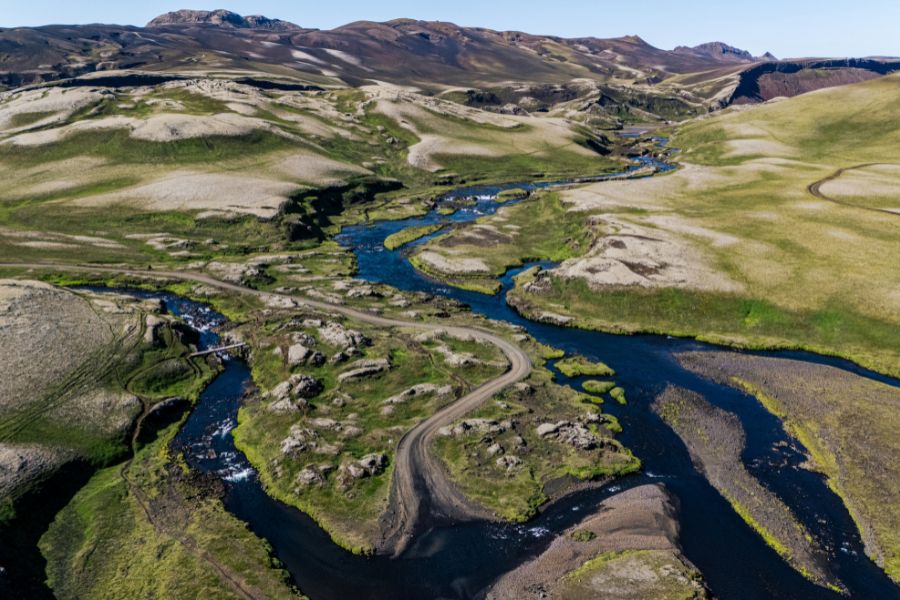
The first couple of weeks into September you might be lucky enough to have a bit more time to venture deeper into the highlands but be warned, winter is fast approaching.
If you’re lucky enough to have an Icelandic pal, then it could be a possibility to explore during the winter or you could even join a winter expedition by trusted, experienced guides! Either way we wouldn’t recommend exploring this region in the winter on a whim as it can be very dangerous without an experienced guide.
Weather & Climate in Iceland Highlands
The weather and climate in Iceland Highlands are very temperamental and can really change suddenly, we’ll look at the rough temperatures below:
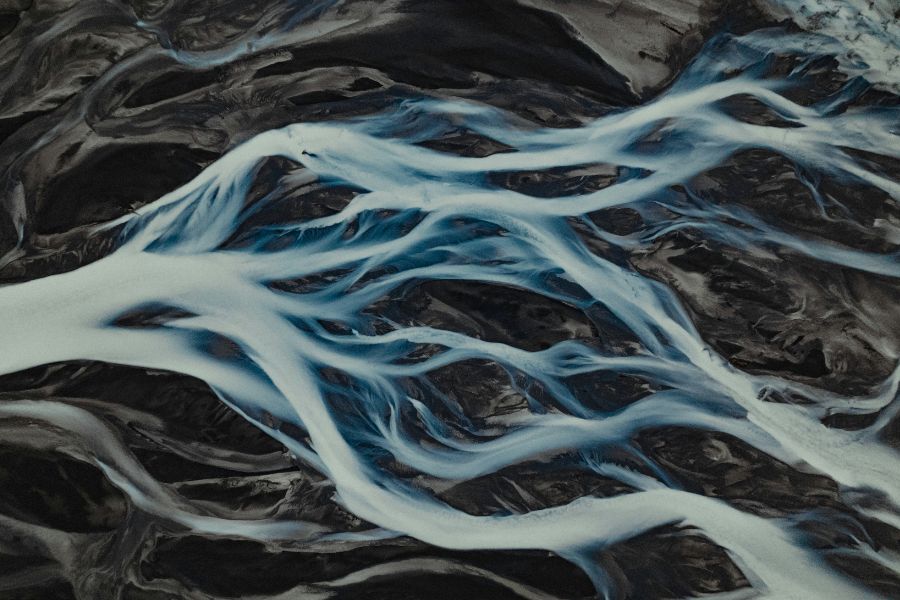
Spring (March-May)
When spring starts to approach, the temperature starts to rise and the harsh winter is slowly fading away, temperatures can range from -5°C to 10°C (23°F to 50°F) The snow begins to melt and daylight hours start to improve rapidly, especially towards the end of of spring.
Do bare in mind though that for the regular average joe with very little experience in these lands, it’s likely to be still inaccessible for most. Winter storms can still occur during this time, so be sure to check the weather on Icelands official website for the latest weather updates vedur.is
Summer (June-August)
Summer is hands down the best time to visit Iceland Highlands, most people have been monitoring the weather and road access leading up to this time. The F roads are starting to open up allowing access to most parts of these rugged lands.
In terms of weather, it’s significantly better and warmer, although still very unpredictable due to its location and altitude. The midnight sun allows for longer exploration and more energy to go deeper into these unknown lands for some.
Autumn (September-November)
Once September hits the window for exploring these lands are starting to close as the temperature begins to drop ranging from 0°C to 10°C (32°F to 50°F) which this change, the weather starts to turn and this brings snow and icy conditions. The days start to become shorter thus limiting the hours of daylight for exploring.
Winter (December-February)
Winter is the most gnarly time of year, with heavy snow fall and crazy winter storms, it makes this region very difficult to reach without an experienced guide or expedition. Temperatures range from -5°C to 5°C (23°F to 41°F) but even more chilly in those high elevation areas.
Bare in mind that most of the F roads are now closed and the days are very short and dark. However, with the dark nights, it brings more opportunities to see the Northern lights, check out some of the epic highland winter tours available online.
Northern Lights Tip!
Be sure to download a Northern Lights Forecast App to track the activity of the Aurora. You can even set alarms so you never miss a chance to witness the magical display of dancing colours. We personally use the My Aurora App which has always been accurate.
How to get to Iceland Highlands
Bus
If you’re not able to drive in Iceland, fear not, you can still reach some parts of the highlands by taking an excursion vis bus. When we were road tripping around Iceland, we saw these giant 4×4 buses filled with adventure seekers having an epic highland experience.
Check out Reykjavik Excursions, they offer a number of on your own day trips to some of these hard to reach locations. Simply reserve your seat online.
Self Drive
The best way to explore these remote lands is by car, but not just any car, specifically a 4×4 vehicle with good traction is essential when visiting these remote highland regions. A 4×4 will allow you to explore the rugged terrain and allowing you to explore deeper into the highlands.
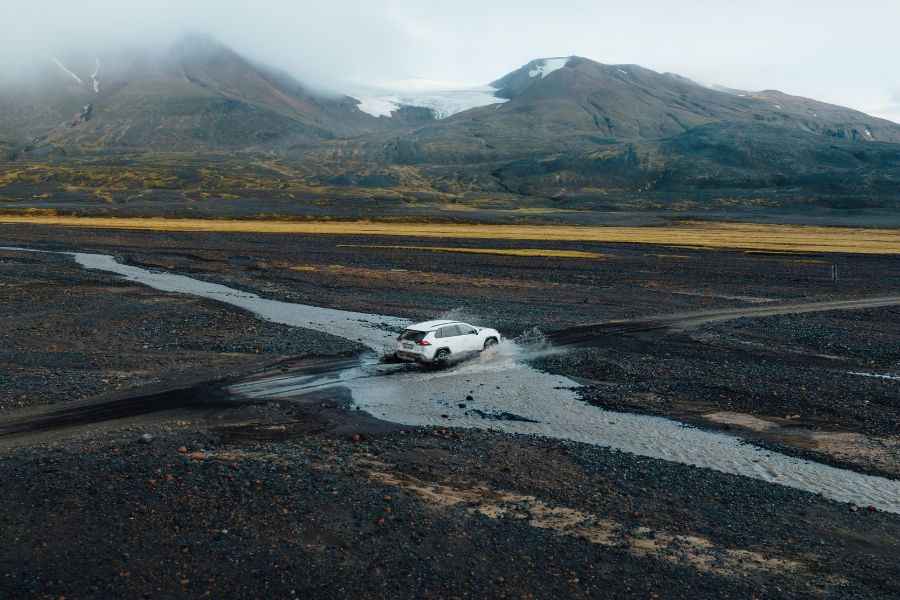
Planning is very important, be sure to check the road conditions on Umferdin.is, you may find if there’s been heavy rain the river crossings will be much higher than usual.
You can check out several rental companies such as Blue Car Rentals or Lava Car Rentals to name a few. Be sure to get the full insurance coverage for F roads to cover you if something goes wrong.
Where to Stay in Iceland Highlands
Iceland highlands offers a few options for accommodation, but do bare in mind its far from the luxury that you will find in and around urban areas. It’s not to say that you won’t be comfortable, it will be just more of an adventure to reach these places and it will also be more rustic.
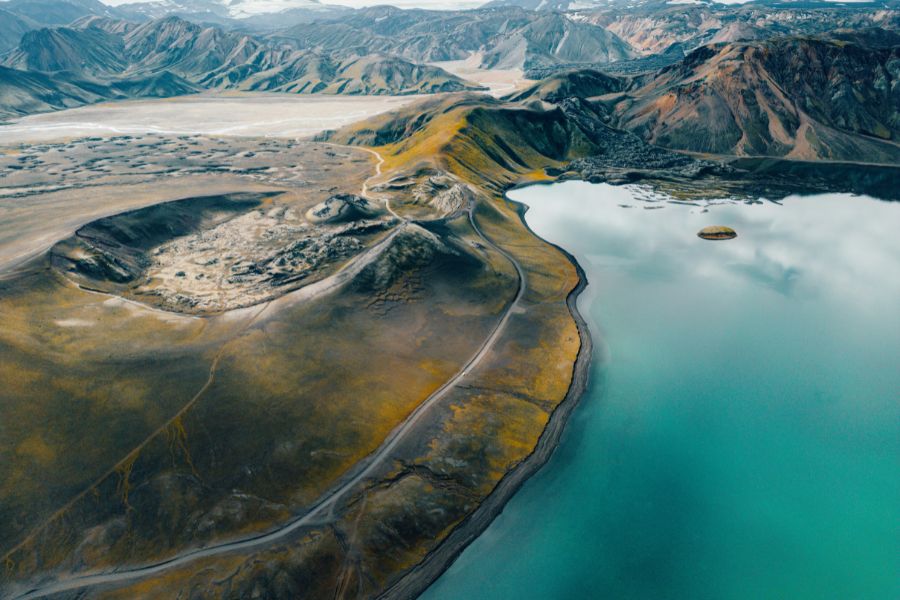
It also depends on where you are, but you’ll find a number of places to stay such as, lodges, huts, and campsites scattered all over the highlands.
Be sure to book in advance as the summer season fills up fast, due to its small window of reaching these lands while the roads are open. Many of the huts have full kitchens so you can prepare your own food if your hiking around these magical lands.
Things to See and Do
Landmannalaugar
Landmannalagar is absolutely incredible and it was one of our favourite places to explore in this region, with its striking multicoloured mountains and endless stunning backdrops, this had our jaw hitting the floor on multiple occasions.
Our trusted Subaru, Ragnar got us here with no trouble at all. The area offers stunning hiking trails to suit every adventurer. Fancy soaking those achy muscles after a long beautiful hike, then hit the natural hot springs that are located at the foot of the mountains, bloody glorious!
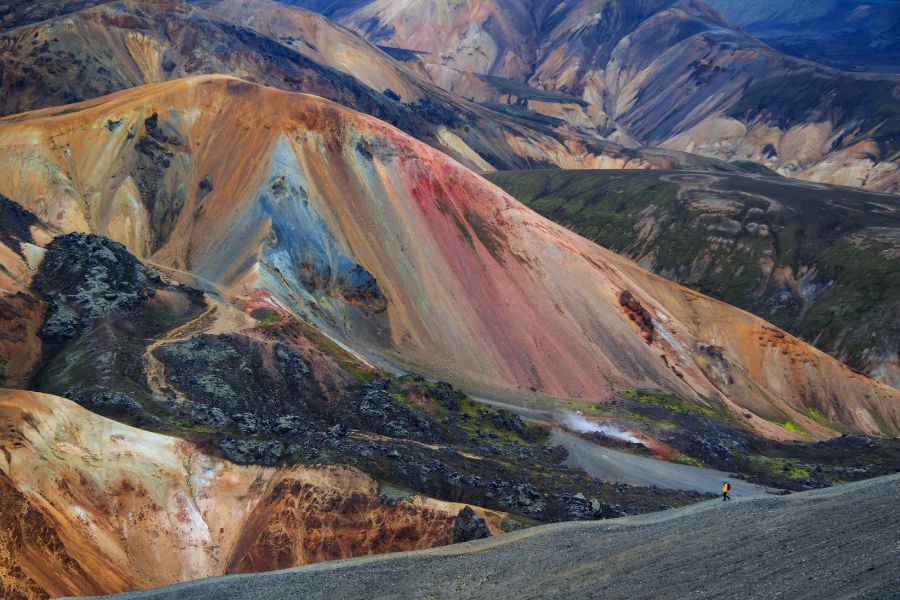
You can also hit the sack in one of the many huts they have to offer, if you’re travelling in a camper van or sleeping in the back of your car (like us) then you can either sleep in the scenic car park or reserve a place in the campsite. There’s a huge body of water to cross into the campsite though, so you’d need a lifted 4×4 to do this or just stick to the car park like we did, and it’s free!
Sigöldugljúfur Canyon
Imagine a canyon so vast with endless waterfalls cascading down into the most beautiful turquoise waters… unreal! We were lucky to have the whole place to ourselves and it’s an absolute must visit place, I cant even believe that it’s often overlooked.
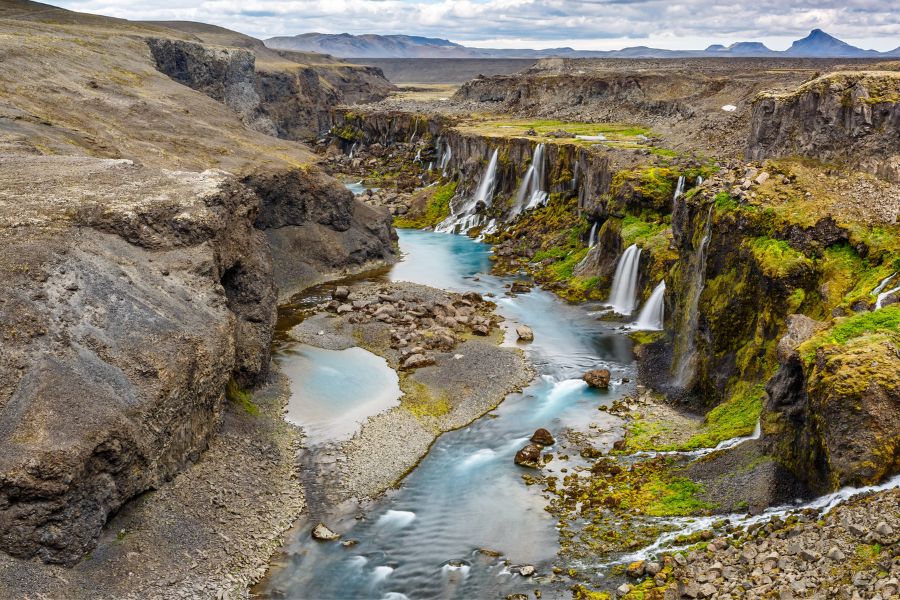
It’s by far the best canyon we have ever laid our eyes on. I even videoed my friend from this location as it was so surreal and she was shocked at how epically beautiful this landscape was, it almost looked fake, a real stunning place.
Kerlingarfjöll
If you’re anything like us, then you adore a good hot spring, and if you’ve been travelling around Iceland before then you would already know that some of the best hot springs in the world are situated in these rugged lands.
Deep in the Highlands you’ll find a unique mountain range called Kerlingarfjöll which translates to the “Old Woman’s Mountain,” as we know Iceland is renowned for their folklore and according to this a large woman was turned into stone and became part of the mountains in this area, I bloody love Icelandic folklore stories!
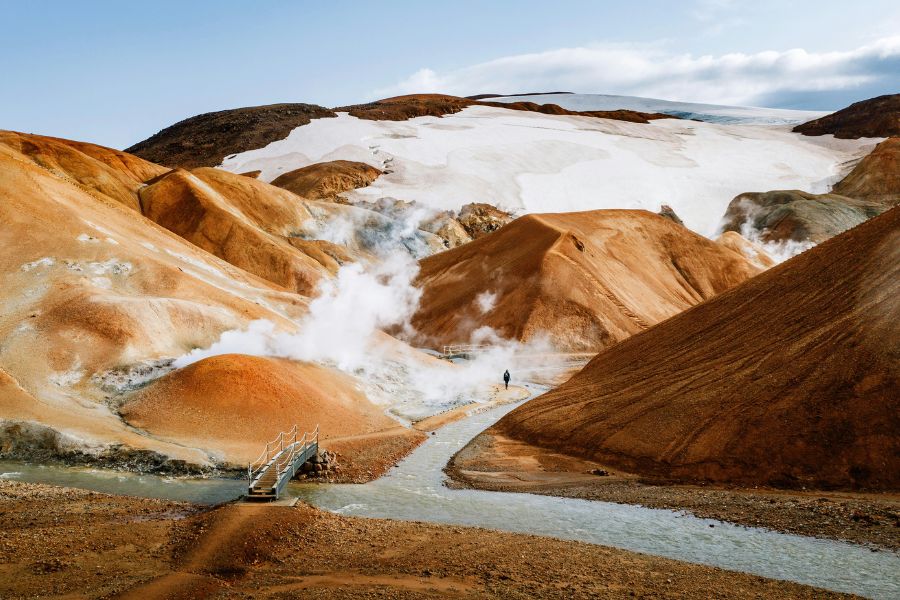
Picture these steaming geothermal lands and immerse yourself in the rugged nature surrounded by endless jaw dropping mountains. It’s not easy to reach this part of the highlands but that’s not to say it’s not possible as many people venture to this part of the country every year, you just need a decent 4X4 with a high clearance and a lot of preparation!
If you don’t fancy the drive, then check out Reykjavik Excursions as during the summer they have many buses that reach these remote areas of the Highlands.
Þórsmörk
Þórsmörk (pronounced “Thorsmork”) is without a doubt one of the most popular places to visit in the Highlands and we completely understand why it’s so sought after, its landscape is unreal and very dramatic with glaciers, rugged mountains and a beautiful glacial river running right through it, providing the most epic setting!
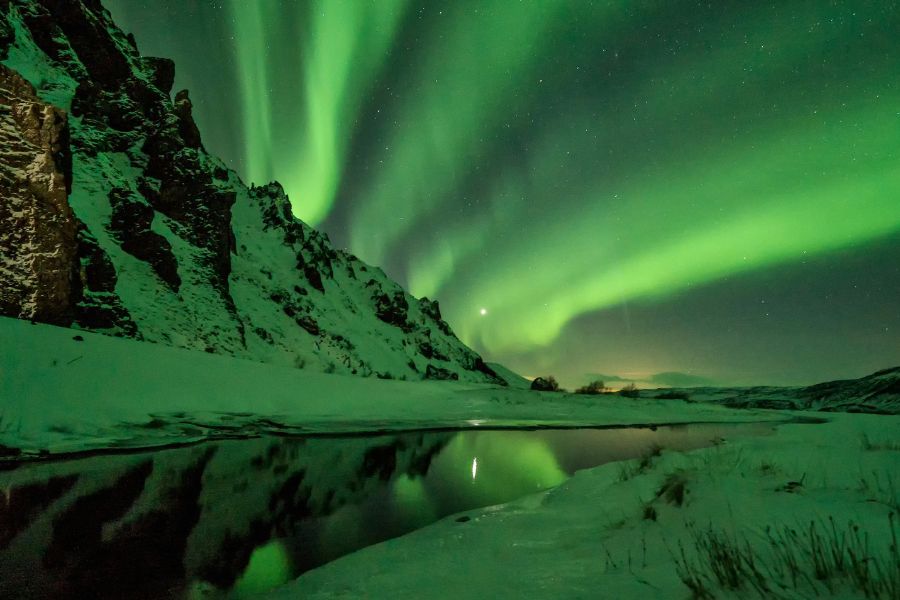
This area is actually part of the much larger Þórsmörk nature reserve which is filled with luscious vegetation and botanical diversity, its amazing what can grow in these remote locations!
Some very popular hiking trails start from here, from multi thru hikes to several day hikes for those on a limited time. As we mentioned before, you can even get a bus here to explore on your own if you wish!
Askja
The Askja volcano is one of the most impressive volcanoes in Iceland and is a major highlight among tourists in this area, although significantly less explorers venture to this volcano due to its remoteness. Within this volcano is Icelands largest crater lake, where you can actually swim in its turquoise blue waters.
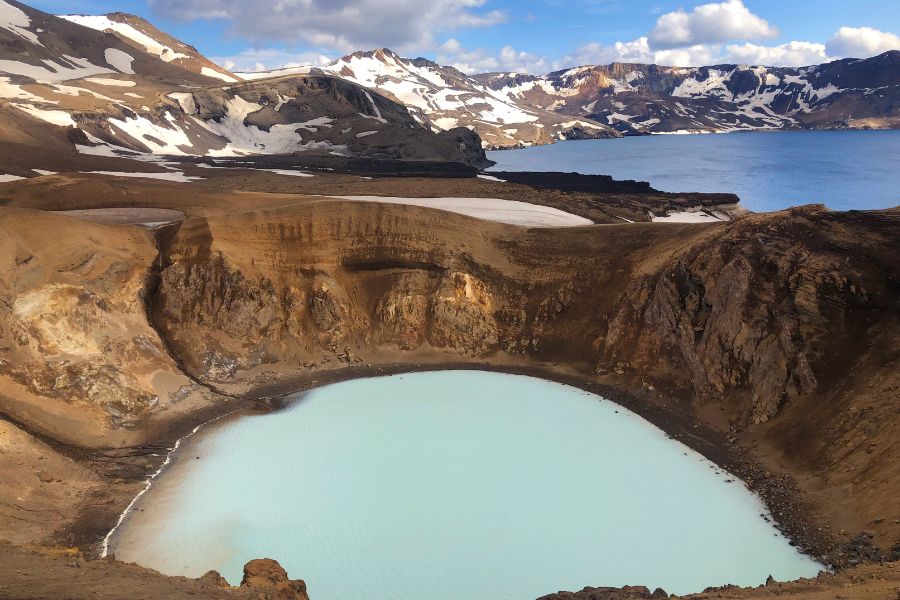
Be careful though as the temperature varies and some parts can be significantly hotter than other parts of the lake, be cautious! The hikes surrounding this area are mind blowing and will give you that feeling of exploring another planet.
The only way to access this area is by a 4X4 vehicle with a decent clearance as the terrain can be challenging to navigate, the route includes river crossings so be prepared for quite the adventure! It’s a must see while exploring Iceland Highlands!