
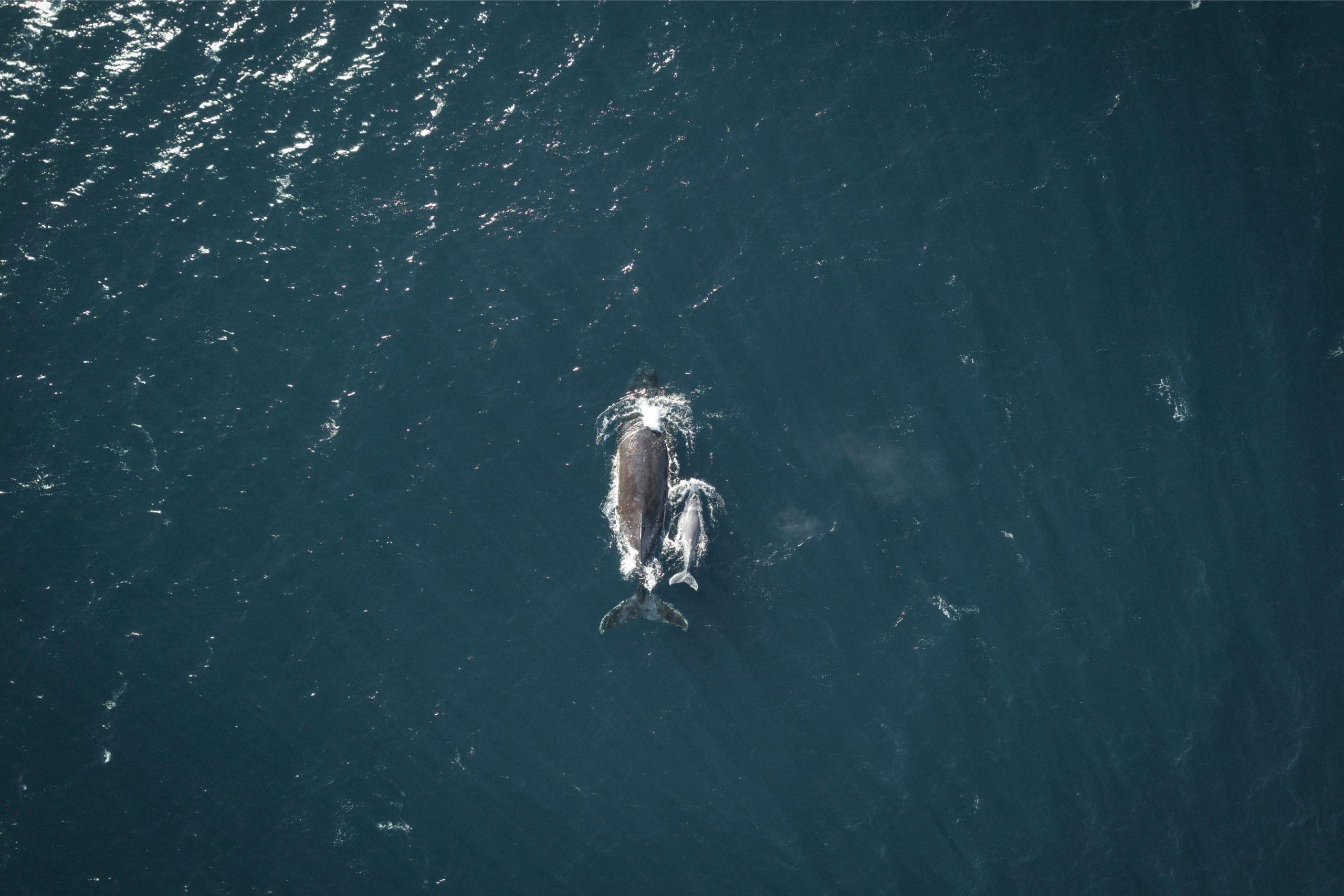

Imbituba can be found in the state of Santa Catarina, Brazil, it’s one of the best places to witness the migration of Southern Right Whales and the famous Humpback Whales.
The whales migrate to this part of the world from Antarctica, they come for the warm, shallow waters to breed and give birth.
We have never witnessed so many whales and so shallow, you’ll be able to see these majestic beasts from the beach or even your bed, we’ll be sharing with you where we stayed to get a front side view of these beauties!
Getting to Imbituba
By Air
The nearest airport is Hercílio Luz International Airport, in Florianópolis, it’s 90km from Imbituba. From here you can rent a car or catch a local bus.
By Bus
You can get a bus into Imbituba from any city or town, we got the bus from Porto Alegre, it took around 7 hours. Be sure to remind the driver you are getting off at Imbituba as the bus tends to be doing a long route to Florianópolis or even São Palo. They like to bypass certain towns to save time.
We had a bit of an ordeal when we realised they had driven past Imbituba and we had to really use our voices (shout the bus down) to get them to turn around, they wanted to take us to Florianópolis! Imagine, we’d been travelling from Gramado since 7am, it was now dark and 6pm.
Sometime’s travelling really does test you! Lucky we put our foot down as wow this place was incredible and not to be missed.
By Car
Driving is always the best way to explore, you go at your own pace and you don’t have to argue with bus drivers. The BR-101 highway leads you into Imbituba.
Where to Stay
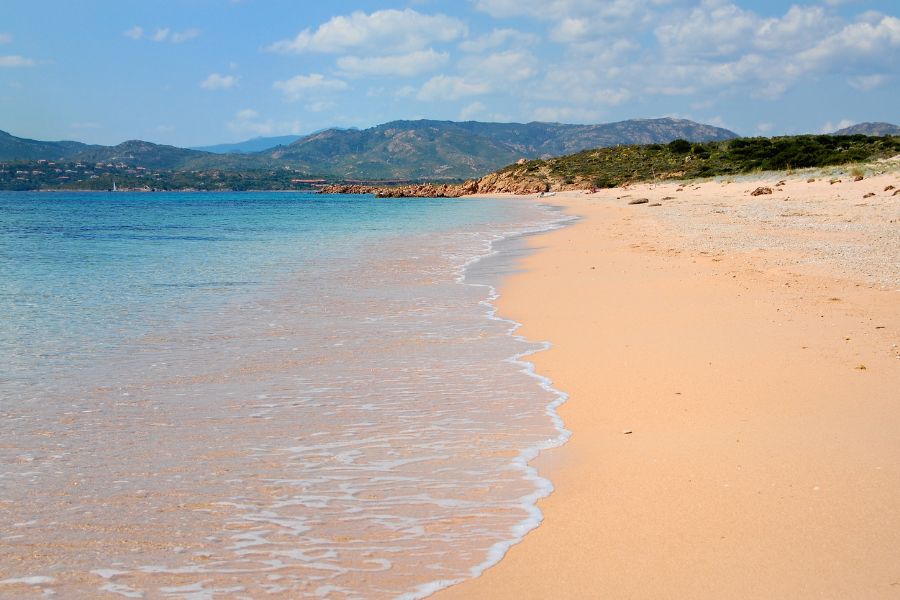
The popular beaches for whale watching are Praia do Rosa and Praia de Ibiraquera, you can find beachfront cabins to stay in along the coast.
Picture this, you’re laying in bed and you look at at the ocean and see a whale breach, can it get any better! This is a regular occurrence during the whale season, and we were really lucky to find the perfect accommodation.
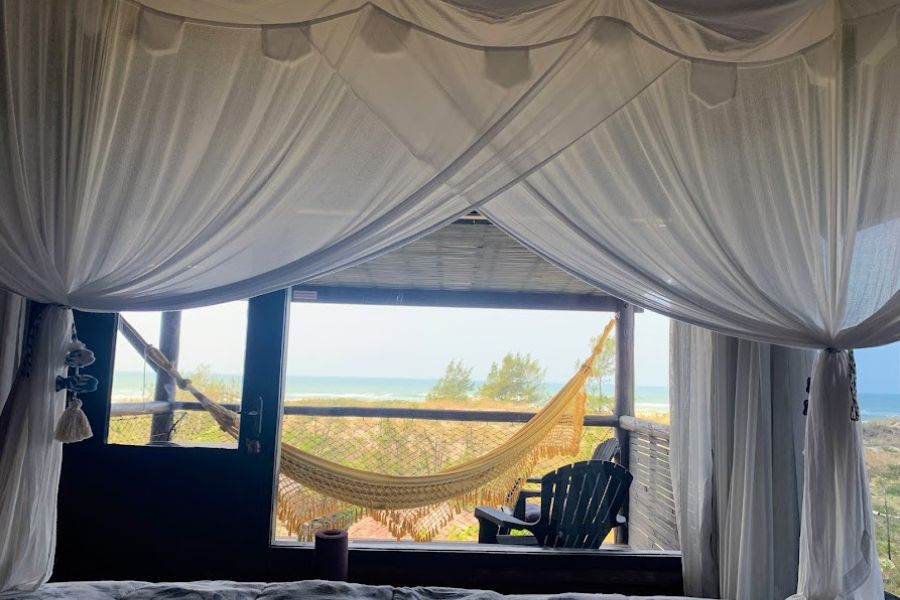
Villa Sayuri, offers four stunning beach front cabins with hammocks on the balcony and the best views for whale watching, I never thought I’d be whale watching from our bed.
It’s what dreams are made of, and it can be a reality.
We originally found the villa on Airbnb and after messaging asking for a cheeky discount we were able to contact outside of Airbnb and get an amazing rate for 1 week.
Check out our article on 7 Airbnb Hacks to save you money, it really works and we’ve saved a fortune on this trip.
Weather and Climate
During the whale migration season from July to November, the weather is transitioning from winter to spring.
- Winter (July to August): Temperatures range from 13°C to 20°C, usually the mornings and evenings are cool but during the day it’s pleasant with some sunshine. The still mornings are a great time for spotting whales.
- Early Spring (September to October): Temperatures range from 15°C to 25°C, the days are longer and warmer, it’s a great time to enjoy being outdoors. We were here in September and we noticed a mist out to sea most days, early mornings were usually clearer and less windy. We did swim too and we noticed it was bloody cold, once your body adjusted it was really fun, especially knowing how close to whales you are!
- Late Spring ( November): Temperatures range from 18°C to 30°C, it’s heating up and warm and sunny days are much more common, it can still be quite windy, especially in the afternoon. The water temperature rises to around 22°C , making it nicer for swimming.
Whale Watching
Witnessing the migration of these whales in Imbituba is out of this world, it’s truly an experience everyone should have on their bucket list. It’s emotional being so close to these magical ancient creatures in their natural habitat.
They’re out there doing their thing, raising their calves, breastfeeding, just normal day to day family activities. We may be different in many ways, but we’re all sentient beings and whales love, grieve and play just like us.
Our worlds aren’t so far apart and witnessing them in this setting is unreal, it really tugs on your heart strings and you feel more connected to this magical planet we all call home.
Whale Watching Season
The migration period for Southern Right Whales and Humpback Whales is from July to November, the peak and most ideal time would be between August and October.
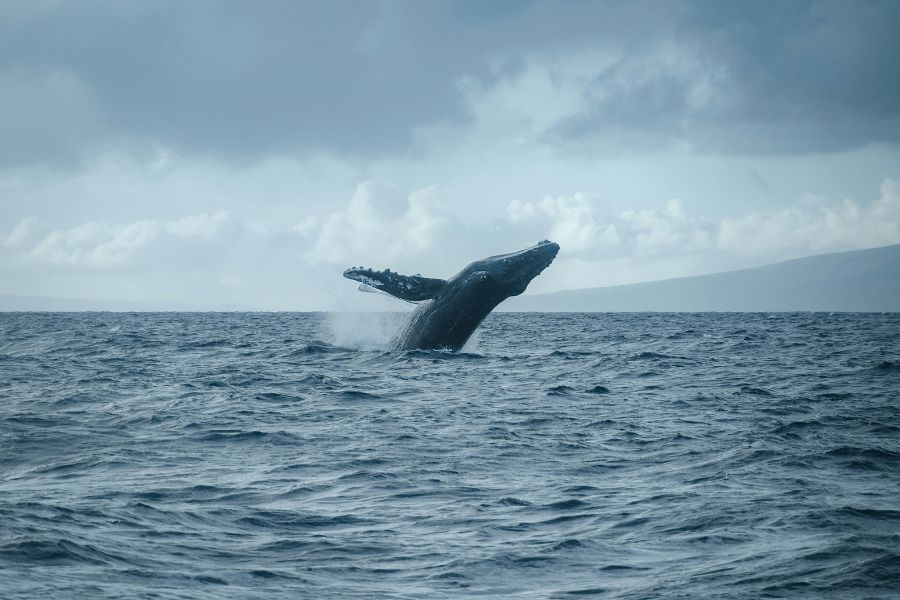
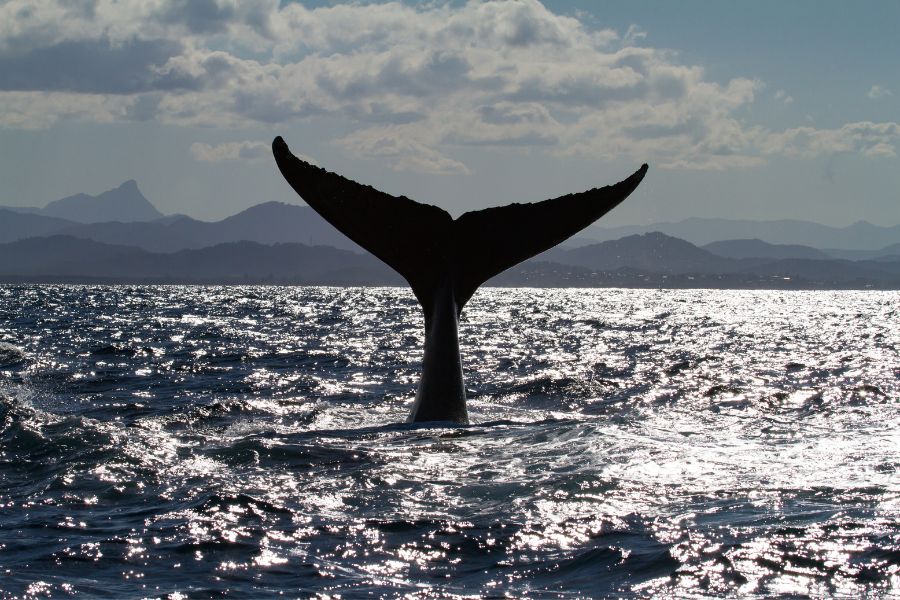
Every time you look out at the ocean you’ll spot a whale doing its thing, communicating by slapping its fin, breaching for fun or coming up for air and blowing its spout. You’ll be pinching yourself at times, how can this be real!
Best Places for Whale Watching in Imbituba
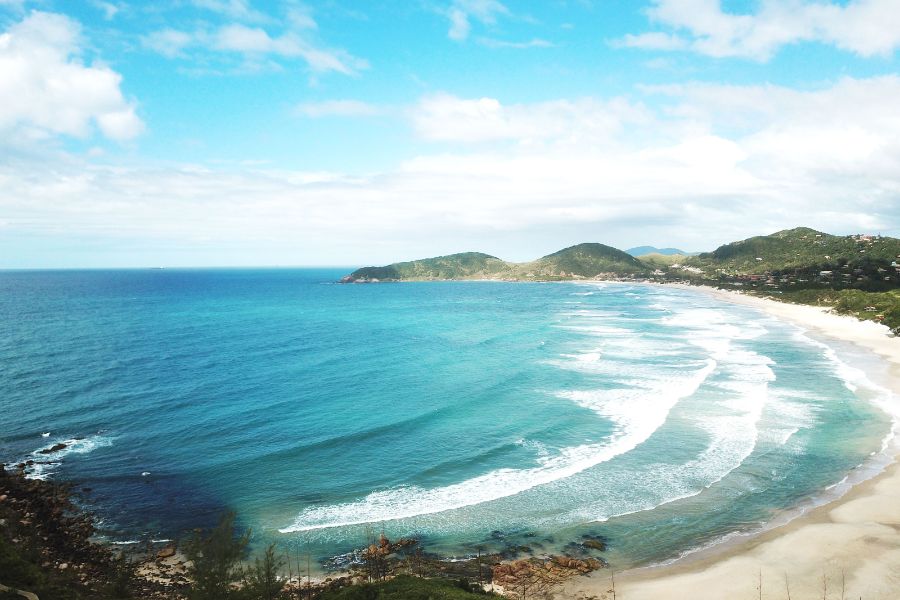
- Praia do Rosa: This is one of the most beautiful beaches in Santa Catarina, found just north of Imbituba it’s popular for whale watching due to its present shaped bay and elevated viewpoints, it really is a spectacular place for whale watching from the beach.
- Ibiraquera Lagoon: This tranquil lagoon is surrounded by high sand dunes, a great place to get higher up for phenomenal whale watching views, this area is also popular with windsurfers, you can enjoy watching them cruise the ocean and it’s always fun when the wind literally picks them up and their soaring high above.
- Praia de Itapirubá: This beach is less known and it’s ideal for quieter beach days and whale watching in peace, this is where we stayed and we always had the beach to ourselves. The bay gets deep very and shallow so it really feels like the whales are so close to shore, swimming in the South Atlantic Ocean is exhilarating, not only because it’s rather nippy but because you’re sharing the water with these majestic beasts!
Tips for Whale Watching
Best Time of Day
Mornings are best, especially between 7am and 10am, the seas are typically calmer around this time and it’s the best lighting for spotting whales. The ocean is tranquil and it’s easier for the whales to come closer to shore.
Bring Binoculars
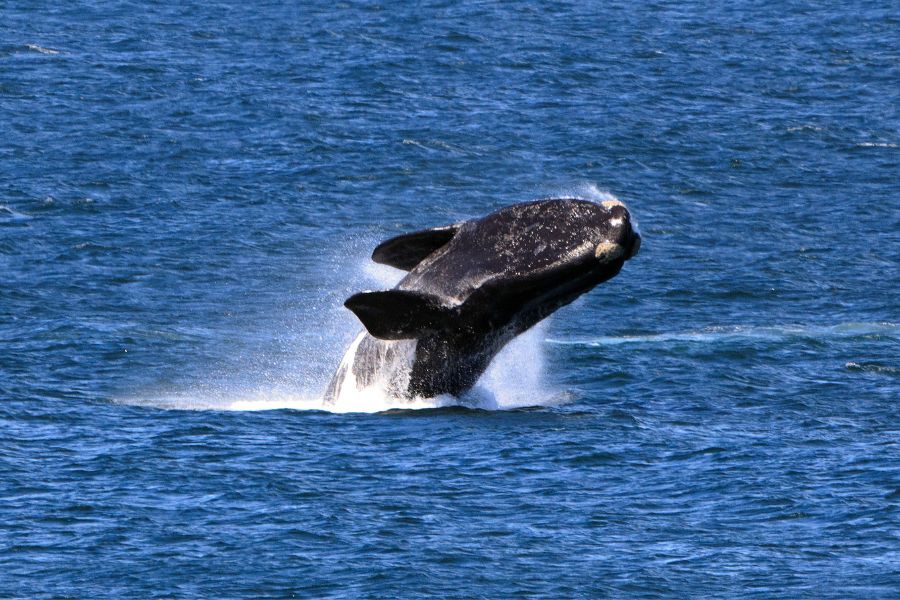
We didn’t have binoculars, but we still got fantastic sights of the whales, however it would have been even more incredible to be able to zoom in on these beautiful creatures and gotten to see more detail such as the callosities on their fins. We’ve decided we will be buying travel binoculars so we can always get a great view of wildlife.
Have Patience
You can’t rush nature and sometime you just need to sit back and relax, a good time to focus on your breath and really take in the scenery around you.
Capture a Good Shot
Having a camera with a good zoom lens is ideal to capture stunning photos of these whales, if you’re using a phone camera then a clip on zoom comes in handy.