


Bogotá sits at an altitude of 2,625m above sea level, it is nestled within the Andean mountains. As soon as you arrive in this magical city you immediately feel the great energy it has to offer.
Be sure to spend the first day or two relaxing as altitude sickness can hit you hard, staying hydrated really helps and just taking it easy, even the fittest people can be affected by altitude sickness.
Bogotá was one of our favourite places to explore whilst travelling South America, contrary to what we had heard we always felt very safe, the city is filled with an abundance of culture and it’s rich in history.
The city has some of the most impressive lifelike graffiti and its vibrant charm can be felt when walking around the streets. If you’re wondering what to do in Bogota let’s jump into the best places to see!
1. Cerro de Monserrate
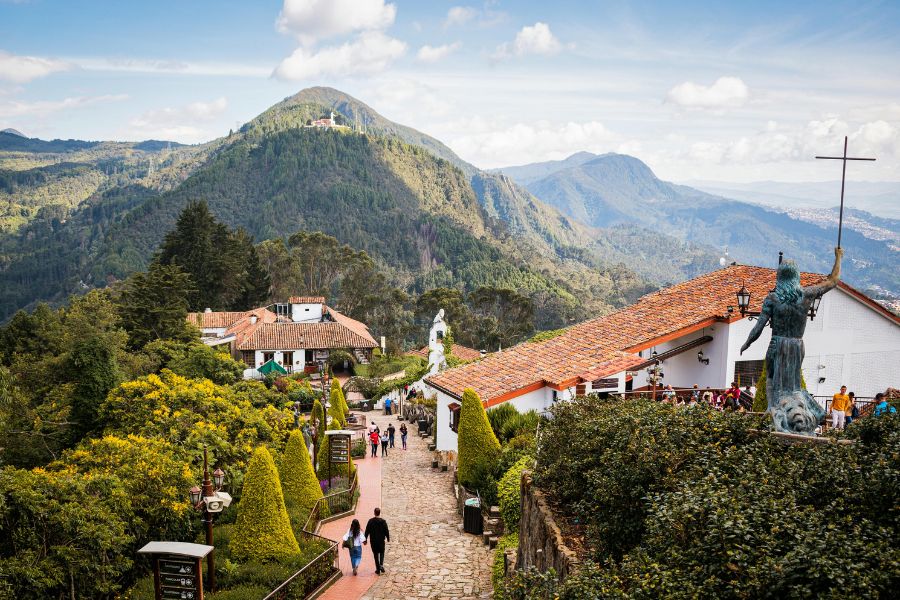
If you’re looking for an epic view overlooking the city of Bogotá, then this is a must see! Cerro de Monserrate is a mountain that stands 3,152m above sea level, it’s part of the Andean mountain range.
There are three ways to reach the top, a cable car, a funicular railway or the good old fashion way- walking!
Once at the top, it provides spectacular views over Bogotá. Surrounded by beautiful cloud forests, it’s truly enchanting. Our favourite time of day to go is for sunset, it’s so stunning to see the city transition from those gorgeous orange hues to the sparkling lights of the city in darkness.
2. Plaza de Bolívar
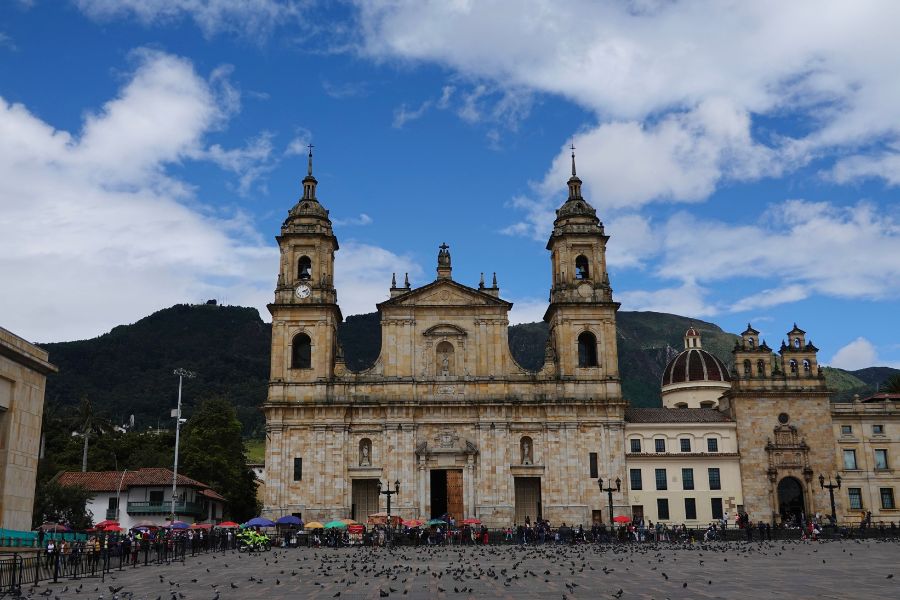
Found in the heart of the historical centre, The Plaza is the hub of Bogotá. It is surrounded by historical buildings such as The Palace of Justice and The Cathedral of Bogota, one of the oldest Cathedrals in the Americas!
Many gatherings related to Colombia’s independence and political history have taken place at Plaza de Bolívar. The Plaza is still used today for protests, festivals and cultural events which contribute to Bogotá’s vibrant cultural scene.
3. Museo del Oro
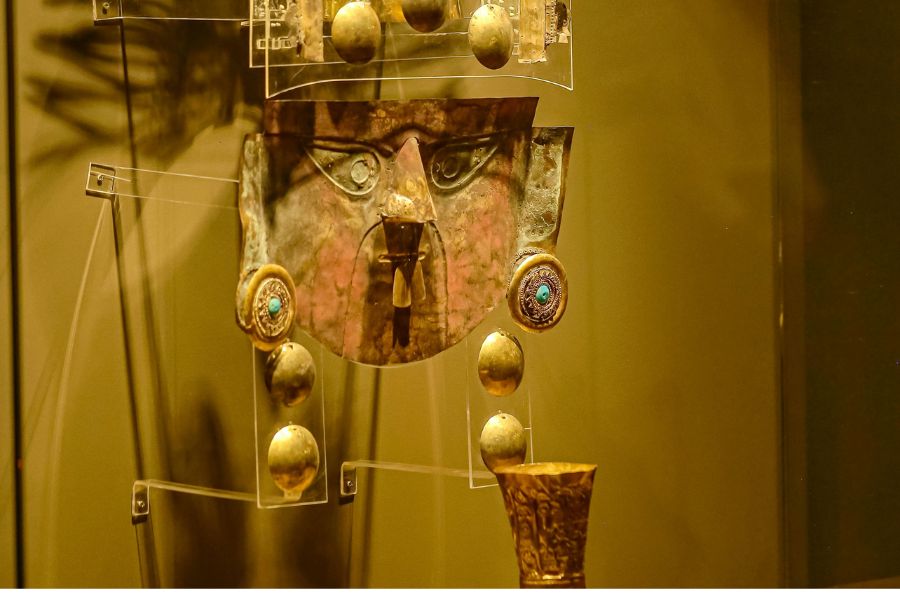
This is one of the most important museums in the country, the museum houses one of the largest collections of pre- Hispanic gold artefacts in the world, with over 55,000 pieces of gold and other materials such as pottery, stone and textile.
These artefacts date back to indigenous cultures that inhabited Colombia long before the arrival of the Europeans.
The exhibits take you on a journey of the mythology, social structures, spirituality and the daily life of these ancient societies. Not to be missed on your trip in Bogota!
4. Explore the Historic Neighbourhood La Candelaria
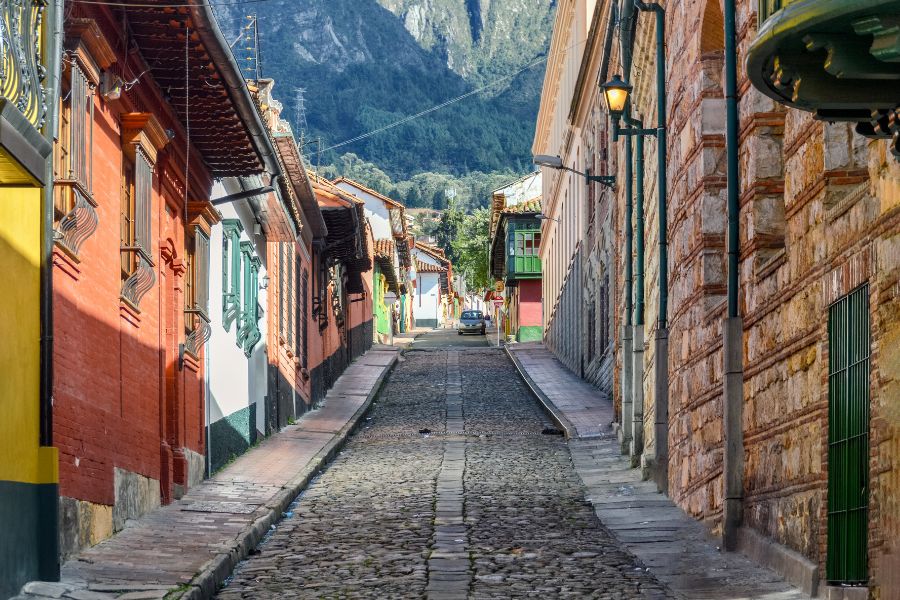
Walk back in time and roam around the narrow colourful streets, one of Colombia’s best- preserved neighbourhoods. The vibe around here is fantastic and visually there’s so much to see and explore.
La Candelaria is the oldest neighbourhood in Bogotá, it has a mix of architectural styles including Spanish colonial, neoclassical and art deco.This area is the cultural heart of the city, with art galleries, museums and the cultural centre, it has an artistic vibe that attracts students, musicians and writers from all over the world.
It’s known for its lively bars, cafes and street art scene. Street vendors are getting their hustle on and selling various items and traditional foods like tamales, empanadas and arepas to name a few.
La Candelaria hosts many festivals throughout the year including cultural events and artistic performances, all of which celebrate Colombia’s vibrant culture and heritage.
5. Worlds Best Graffiti
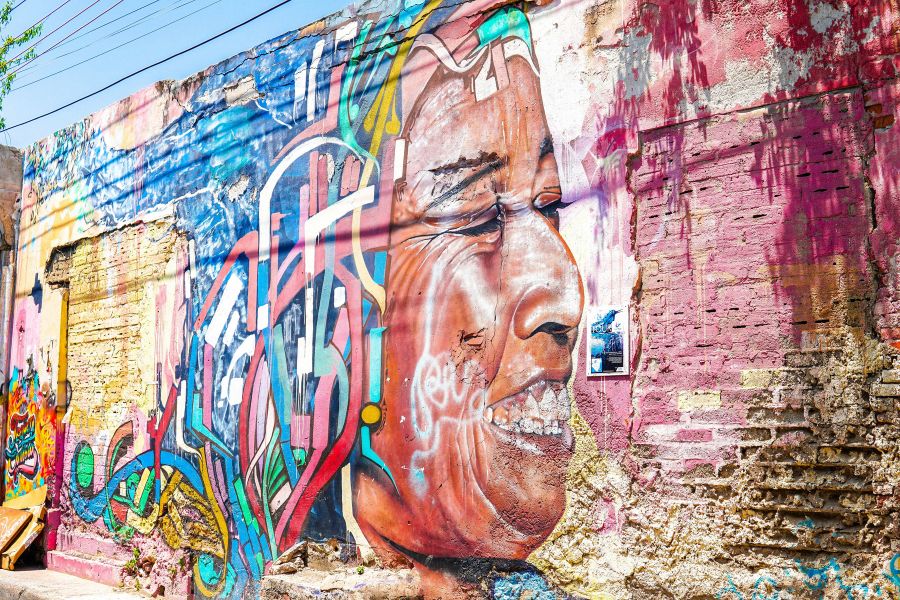
Bogotá has some of the most powerful graffiti in the world, in no way is it vandalism, it’s a form of artistic expression and social commentary. Graffiti in Colombia has deep roots dating back to the 1940’s when political messages started appearing on walls during times of social unrest. It began to rise up in the 1970’s and 1980’s as a way for communities to voice their grief and concerns.
Today the eye capturing artwork around the city addresses issues such as social justice, inequality and peace. You can either take a guided tour which highlights the stories behind the graffiti and murals, alternatively you can roam around the city yourself and create your own interpretations of the urban street art.
Learn how it acts as a platform for artists to express themselves and engage with the community, let yourself be drawn into the art and get lost in the meaningful messages behind it all.
6. Explore Bogotá’s Vibrant Markets
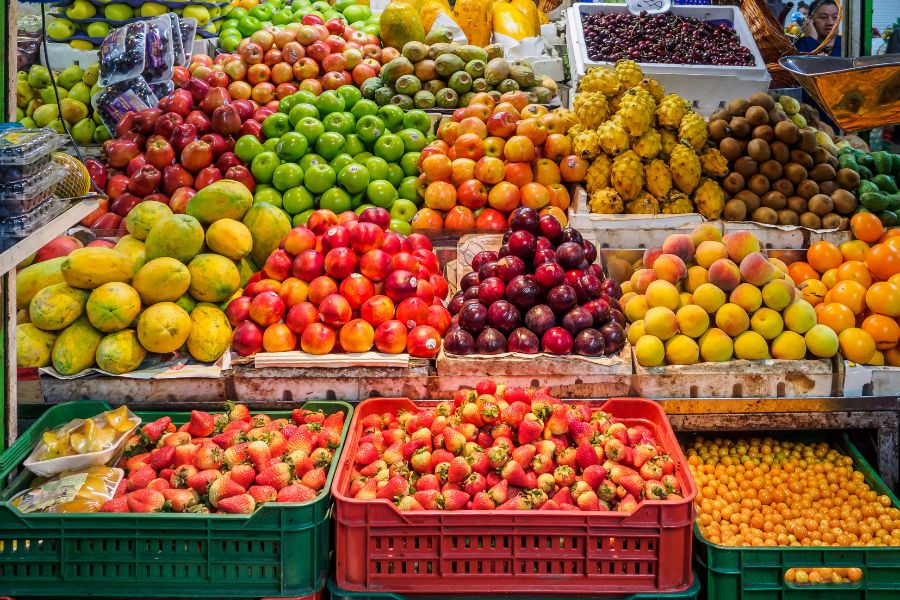
If you’re looking for a bit of retail therapy and would like to bag a bargain, then be sure to check some of Bogotá’s local markets. Not only will you be supporting local people, but it’s a great way to immerse yourself in the local culture.
One of the most popular markets is Mercado de las Plugas de Usaquén, this flea market is held on the weekends. Get stuck into the hustle and bustle of this popular market and nab yourself some arts and crafts, food or gifts.
Palaquemao market is the place to be if you’re looking for the freshest fruits and vegetables, it’s an absolute sensory delight! The markets are endless, from artisan crafts to farmers markets, Bogotá has it all!
7. Jardin Botanico
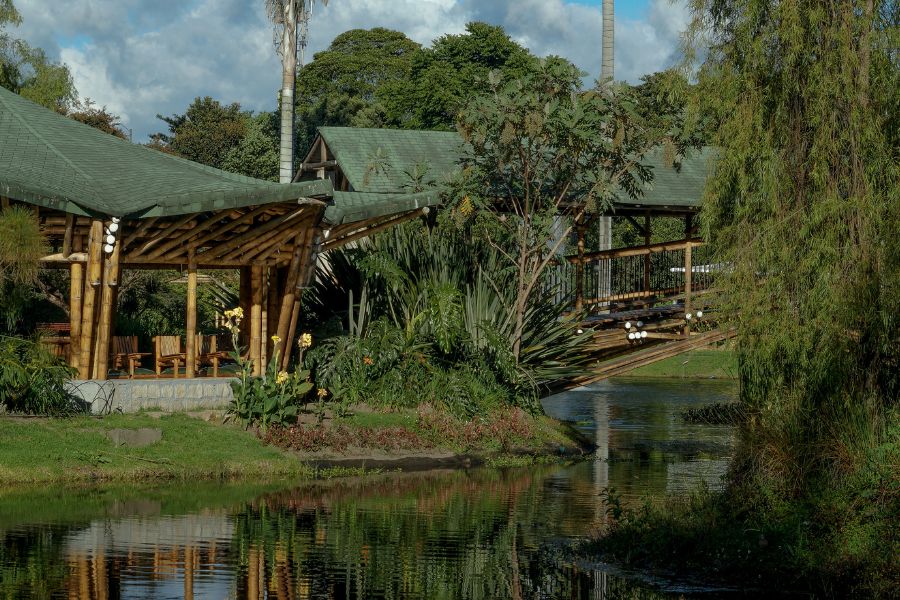
If you’re seeking a bit of solitude within the city, then head to Jardín Botánico de Bogotá José Celestino Mutis. It is Colombia’s biggest botanical garden offering a green space to breath deep. It features plants from every Colombian Climate, altitude and region, including rare and endangered species.
You can explore the different themed gardens such as the medicinal plants garden or the orchid garden, did you know Colombia is home to over 4,000 species of Orchids!
Explore the greenhouses and educational exhibits, learn about the conservation work happening to protect Colombia’s diverse plant species. Why not take your shoes off and feel the soft grass beneath your feet?!
8. Parque Metropolitano Simón Bolivar
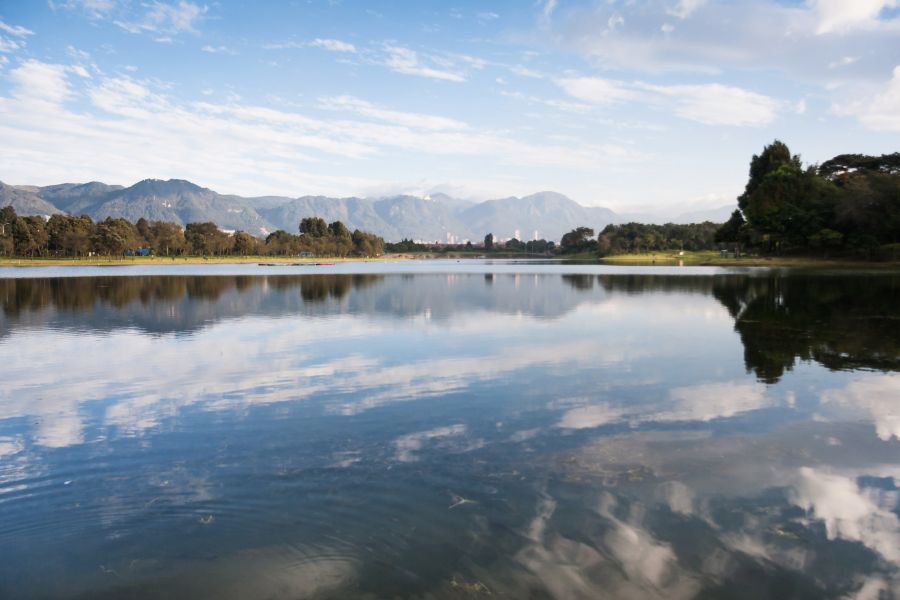
One of the largest and most important green spaces in the city, with over 400 hectares, this park has a variety of plant species, wooded areas and wildlife habitats.
The park features a large artificial lake where you can rent paddle boards and enjoy the view. It is the core of cultural events in the city, it offers concerts and cultural festivals throughout the year.
The park was named after Simón Bolivar, who played a key role in Latin America’s struggle for independence from Spanish rule. The park hosts excellent cycling and jogging paths, sports fields for football, basketball and volleyball. It’s the perfect place to retreat from the noise of the city.