
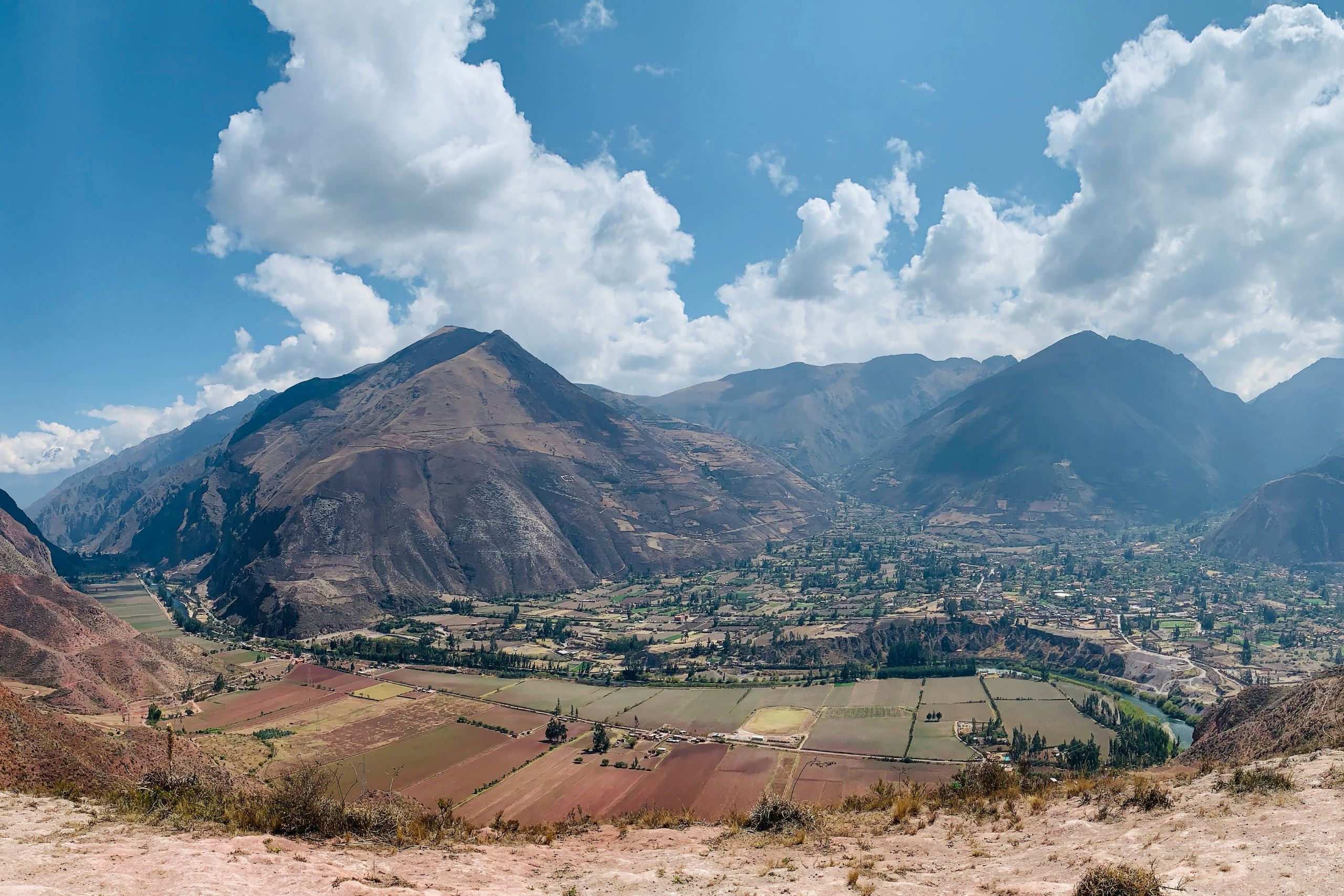

The sacred valley is full of wonder, Cusco is the main destination when visiting this area as it’s the gateway to the enchanting Inca ruins, Machu Picchu, be sure to check out our guide on visiting Cusco and how to visit Machu Picchu for less than $100.
The Sacred Valley is vast and it has many other incredible places to explore and discover, it’s a valley that lives up to its name, full of sacred energy and ancient traditions. Inca ruins are spread out throughout the valley, it’s truly one of our favourite places in the world and we’re going to share with you the best places to explore.
Tip: If you’re planning on visiting multiple sites, the best option is to buy an integral ticket. The ticket costs S/130, and it is valid for ten days and allows you to visit 16 sites (museums and ruins within Cusco and Sacred Valley).
Pisac Town & Ruins
Pisac is a laid back town where travellers end up staying for a long time. It’s a charming town, the cobblestone streets are full of quirky and quaint shops, delicious restaurants and coffee shops where you can spend hours relaxing in the ambiance.
The roaring Vilcanota River flows through the valley, the river, like many in the Andes, holds cultural and spiritual significance for the local Quechua people.
It is often associated with traditional beliefs and practices. The river flows through the sacred valley and eventually merges with the Amazon River basin.
Aside from the cute town, the real magic is Pisac’s Ruins, just a few km from the town, the road out of town leads up the mountain and takes you to the Inca ruins. It’s honestly something out of this world and to us it’s up there with Machu Picchu.
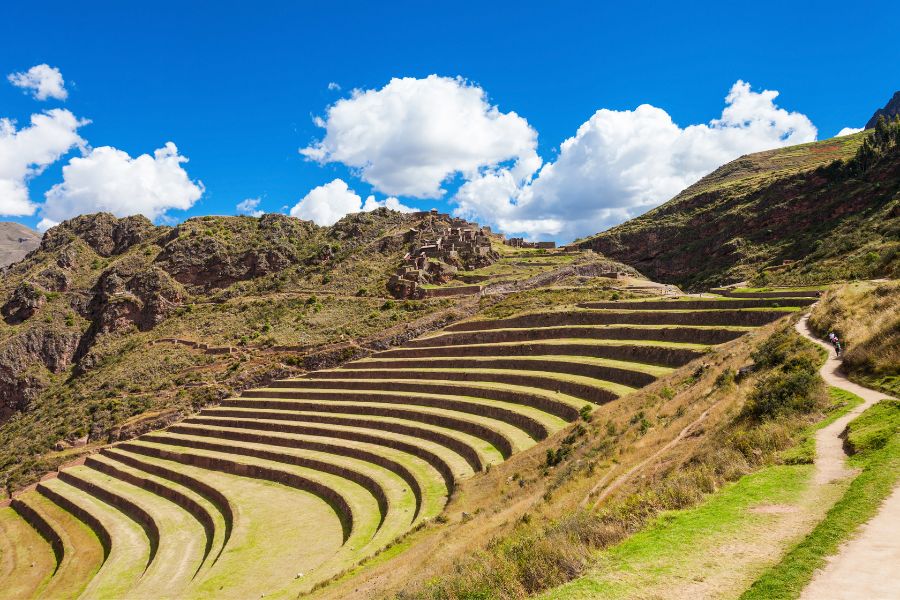
The grand agricultural terraces really stand out, not only are they absolutely massive but they show the Incas’s advanced agricultural techniques.
The ruins include several important religious and ceremonial structures, such as the Temple of the Sun (Intihuatana). The Intihuatana is a ritual stone associated with astronomical and religious practices.
The whole place has strong energy that enchants you, every corner you turn you’ll get lost in the Inca’s architecture and the stunning views of the valley.
You can do a beautiful scenic walk down from the ruins back into Pisac town, it takes around 2 hours. As we arrived late for sunset, we were advised not to walk back as it would be dark before we got down and it’s dangerous as there are steep sections.
Ollantaytambo
Nestled along the Urubamba River and surrounded by snow-capped mountains, Ollantaytambo is a charming village. The village’s historic district retains its Inca-era charm, with cobblestone streets and adobe buildings arranged in a traditional grid layout.
It is renowned for the Ollantaytambo ruins, an expansive Inca fortress characterised by its large stone terraces on a hillside. Key features of the site include the impressive Sun Temple and the Princess Baths fountain.
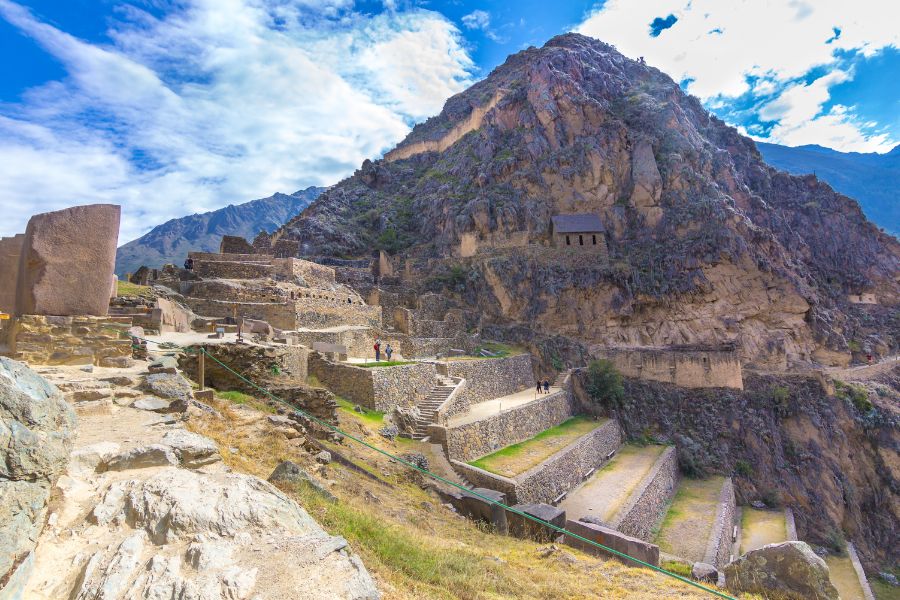
Ollantaytambo played a significant role during the Spanish conquest of the Inca Empire. It was one of the few places where the Incas successfully resisted Spanish forces, led by Manco Inca Yupanqui, in the mid-16th century, it was after all a major Inca fortress, built to protect the Sacred Valley and it truly did just that.
Maras Salt Mines
Found in the Maras district of the Sacred Valley, the The Maras Salt Mines consist of hundreds of small, terraced pools or ponds that are arranged on a hillside.
The salt mines have been in use since pre- Inca times, they are an important cultural and historical site, reflecting the ingenuity of ancient Andean civilisations in utilising natural resources and the continuity of traditional practices.
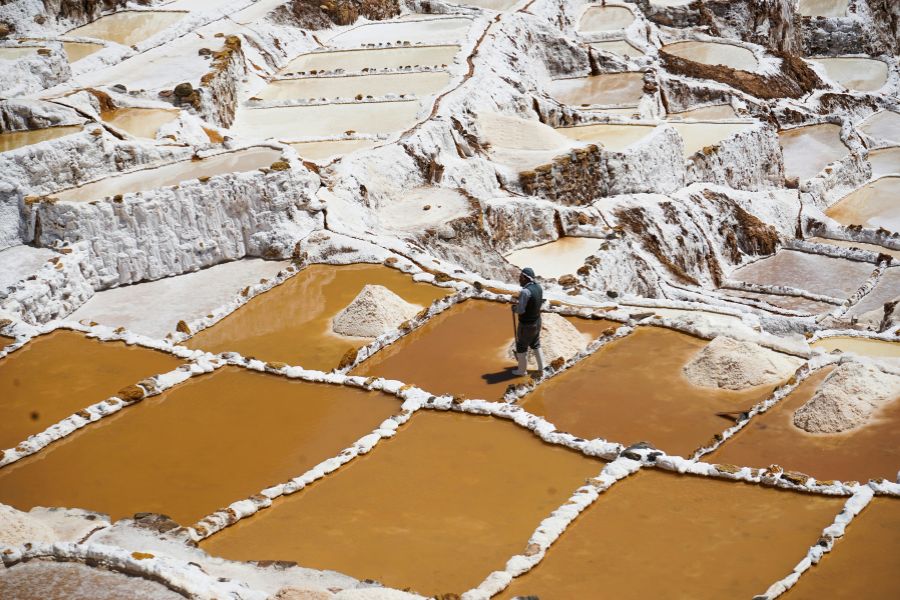
The technique for salt extraction involves collecting salt from natural springs that are rich in mineral content. The water is channeled into a series of terraced ponds where it evaporates, leaving behind salt crystals.
The shimmering white salt ponds against the backdrop of the rugged Andean landscape creates a striking visual effect, a great photo op for photographers.
Urubamba
Known for its scenic beauty and cultural significance, Urubamba is a vibrant town located in Peru’s Sacred Valley. The town played an important part in the Inca Empire’s Sacred Valley, its central location made it a key area for agriculture and trade.
The bustling market in town is a lively place where you can find traditional Andean products, including textiles, crafts, and local foods.
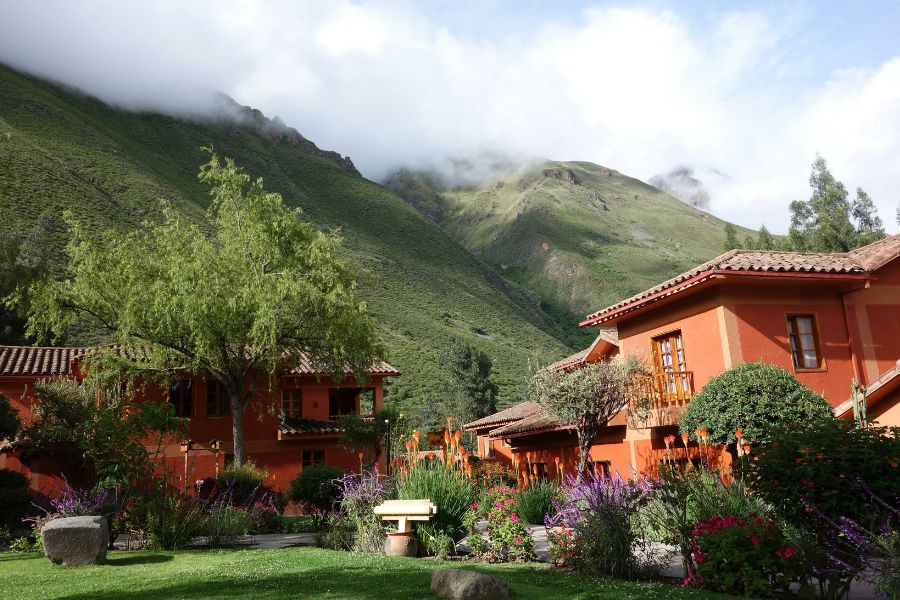
The town is surrounded by stunning Andean landscapes, including snow-capped mountains and lush green valleys.
From Urumbamba you can easily reach nearby places like the archaeological site of Moray, known for its circular agricultural terraces, and the salt mines of Maras.
There’s lots of hikes close to Urubamba, view points with scenic lookouts and trails around the surrounding mountains to get lost in nature and take in the natural beauty.
Chinchero
Chinchero is a small rustic town with terraced fields and rolling hills, its beauty is endless, the town is towered over by the Vilcabamba mountain range and the snowcapped peaks of Salkantay, a truly breathtaking place to be. The picturesque landscape is perfect for photography and scenic walks.
The town is renowned for its high-quality textiles and traditional weaving techniques. You can witness the incredible weaving process and purchase handmade textiles from local artisans.
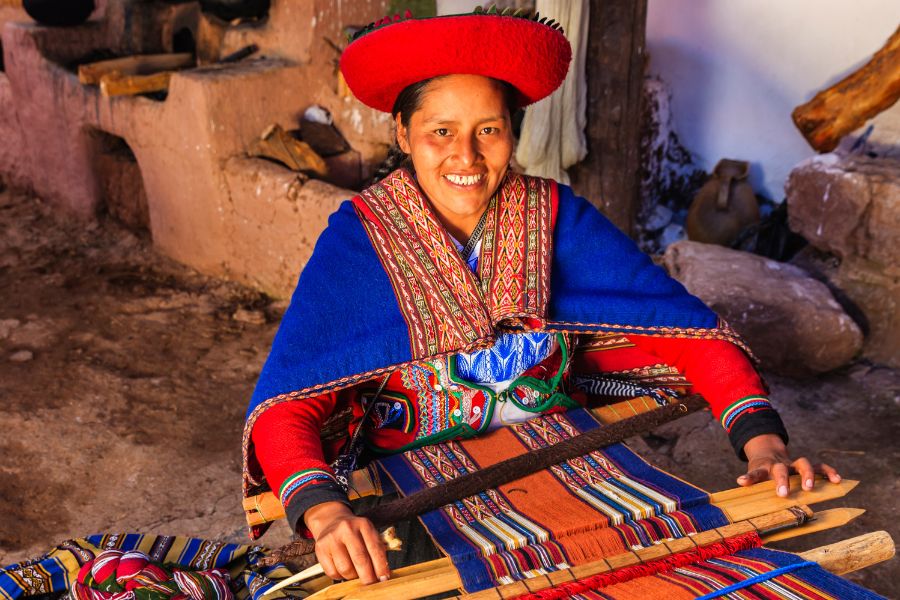
Chinchero is home to impressive Inca ruins, including a well-preserved temple and agricultural terraces. The town’s main plaza features the remains of an Inca palace, you can even find a stone throne decorated with carvings.
The terraces once supported the town’s agricultural production. The soil is said to be some of the richest and most fertile in the whole of the Sacred Valley, the land is still used today to produce potatoes, quinoa and lava beans.
Racchi viewpoint, located about 5 minutes from the town centre itself, offers one of the most beautiful views you will find of the Sacred Valley, the Vilcanota mountain range and all the sacred mountains that surround it.